
Category: Places
-
Maresfield Park evolved during the 18th century and belonged to John Newnham who lived at ‘Strethouse’ opposite the church (site of the present Lodge, and church car park). As there was little room for expansion there, he chose to build himself a mansion at the point where the tracks crossed in Maresfield Park and called…
-

In the centre of the village is the Victorian gargoyle lodge with an archway diagonally set in the angle between the two roads. The Lodge (also known as “Lodge Gates”) has featured in dozens of photographs and postcards of Maresfield over the years. This lodge was built about 1847 by Sir John Villiers Shelley and…
-
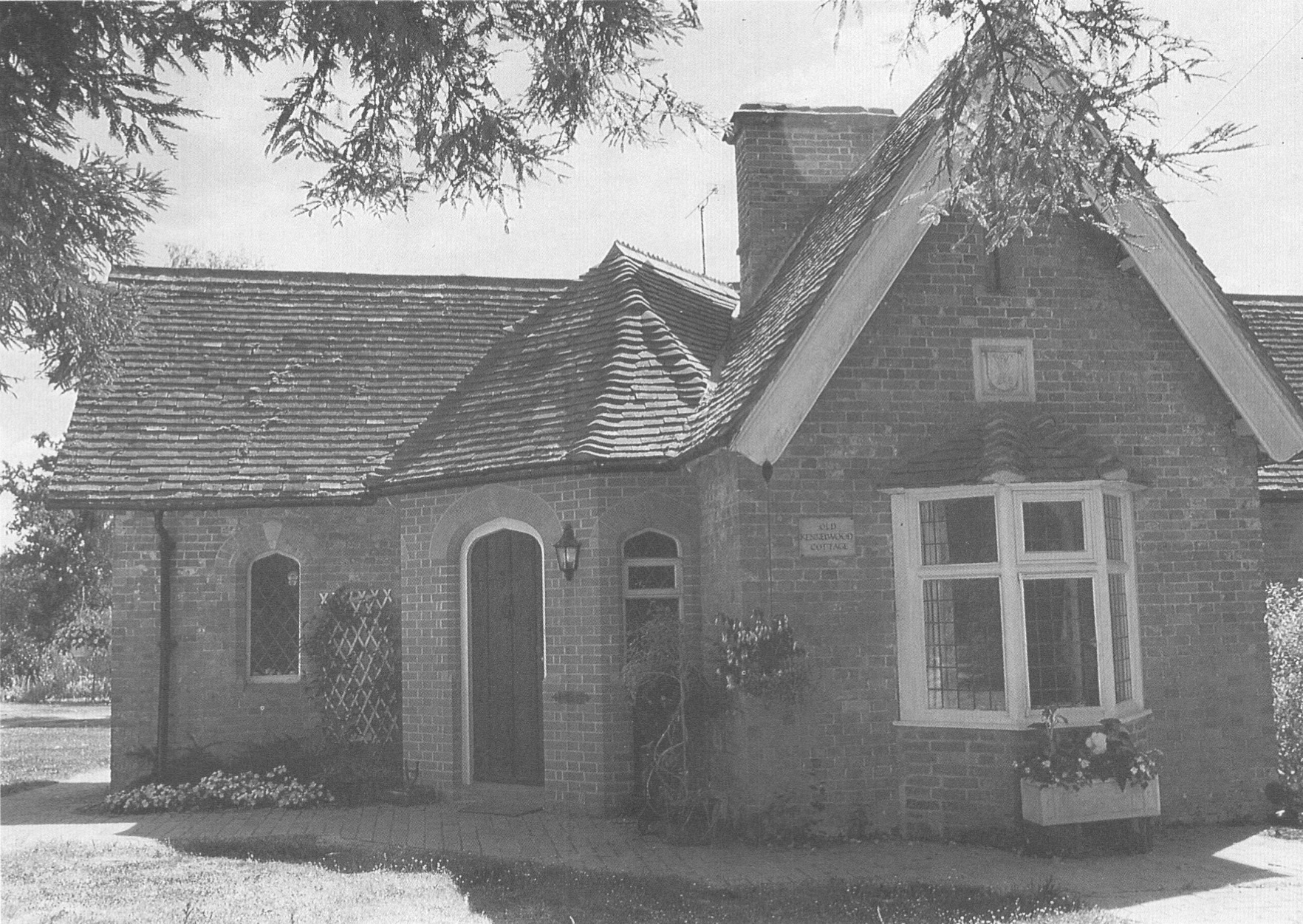
The crest of John Villers Shelley appears on many buildings in the parish including Woodlands Farm, ‘Shelley Villas’ and ‘Old Kennelwood Cottage’ (pictured). The estate dogs and their keepers lived at the Horney Common end of the Park, and the farm now known as ‘Marshalls Farm’ was shown as ‘The Kennels’ on the 1897 25-inch…
-
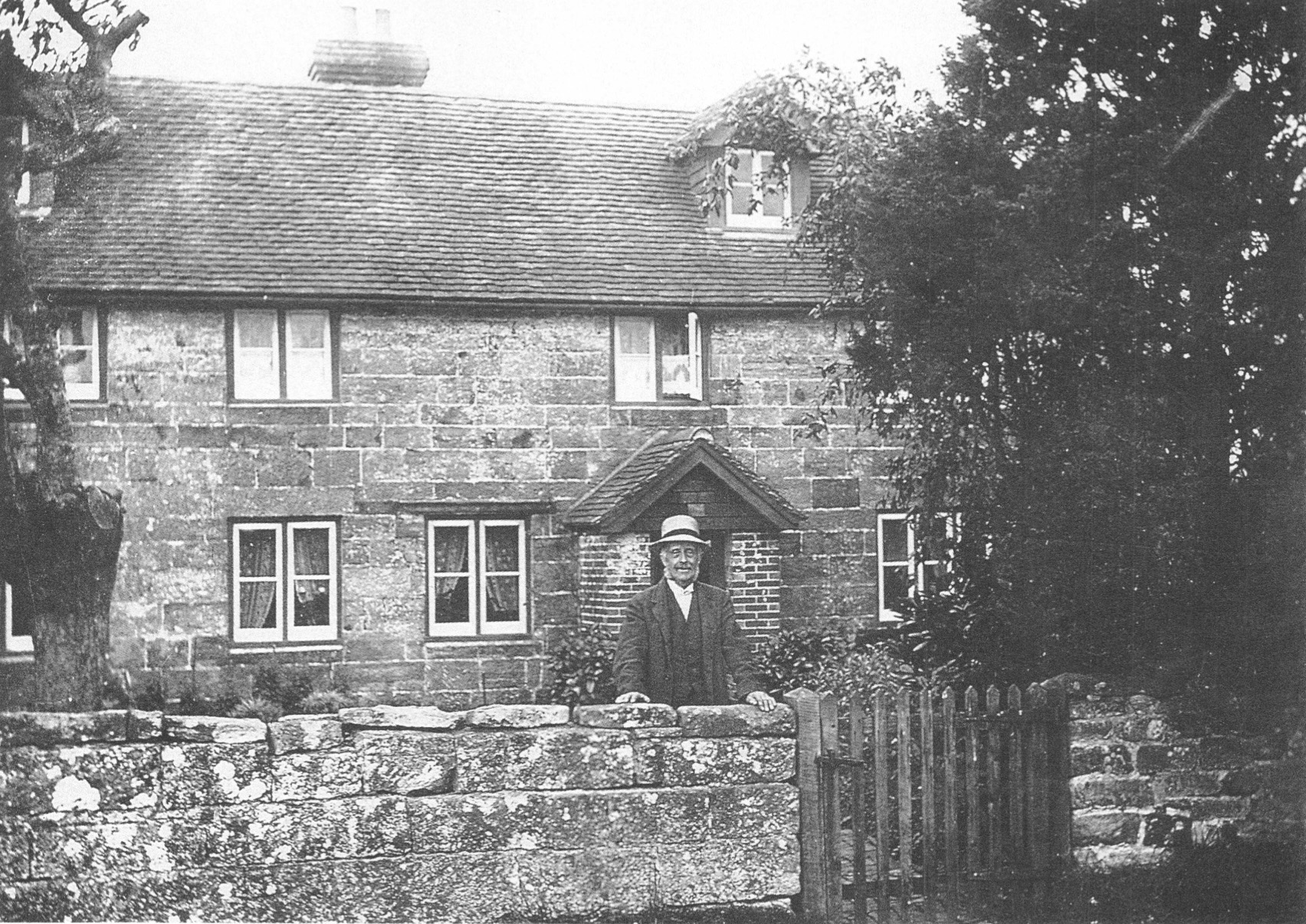
Paddock Farm on the Tunbridge Wells road near Fairwarp Crossroads (on the left, just after the turning to Old Forge Lane) was the old parish workhouse. The property was a stone-faced building with 17 rooms, some with bars to the windows. There were old ships’ beams in the kitchen. The old Roman road ran through…
-
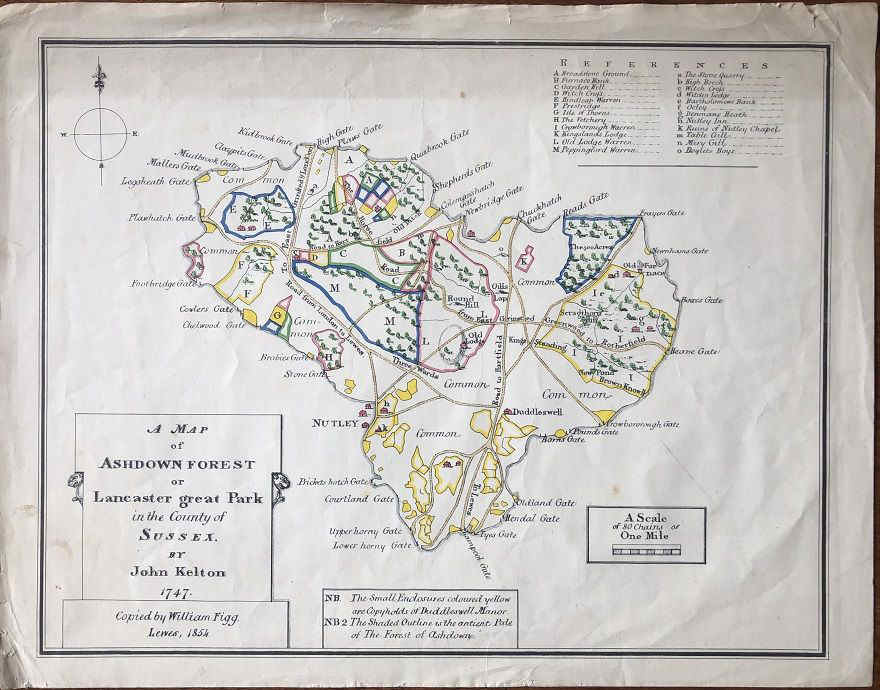
In Saxon times, areas of Kent, Sussex, Surrey and Hampshire formed The Forest of Anderida or Forest of Pevensey. Ashdown Forest was part of this great wild area. About 14,000 acres between Tunbridge Wells and East Grinstead were given by King Edward III to his third son, John of Gaunt, Duke of Lancaster under the…
-
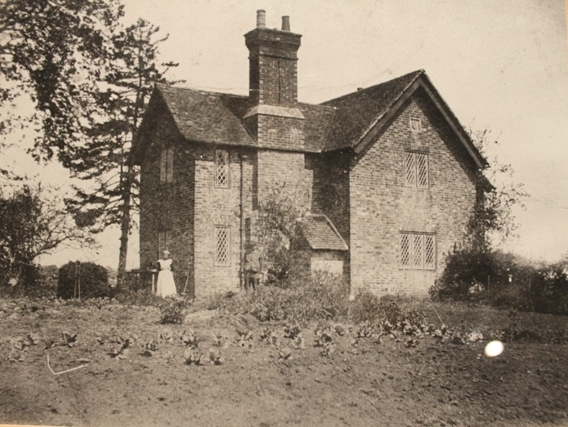
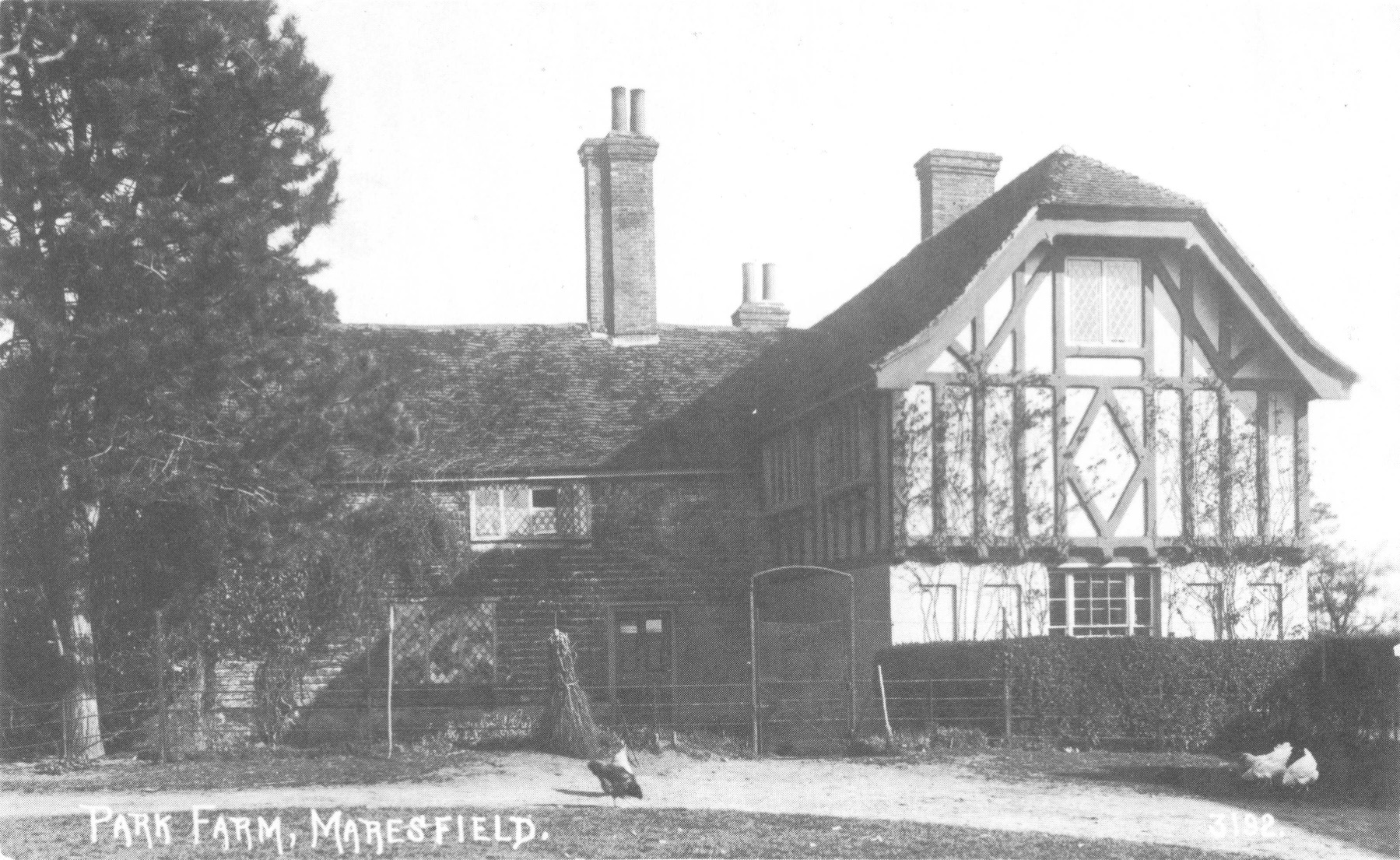
About 1900 James Deadman (born 1856) from Chiddingly, who had married Rose Mary Thompson at Bodle St. Green in 1891 at the end of an army career of nine years in the Royal Sussex Regiment, brought his family to ‘Powder Mill Cottages’ and became neighbours of the Chatfield family and worked at Park Farm. Despite…
-
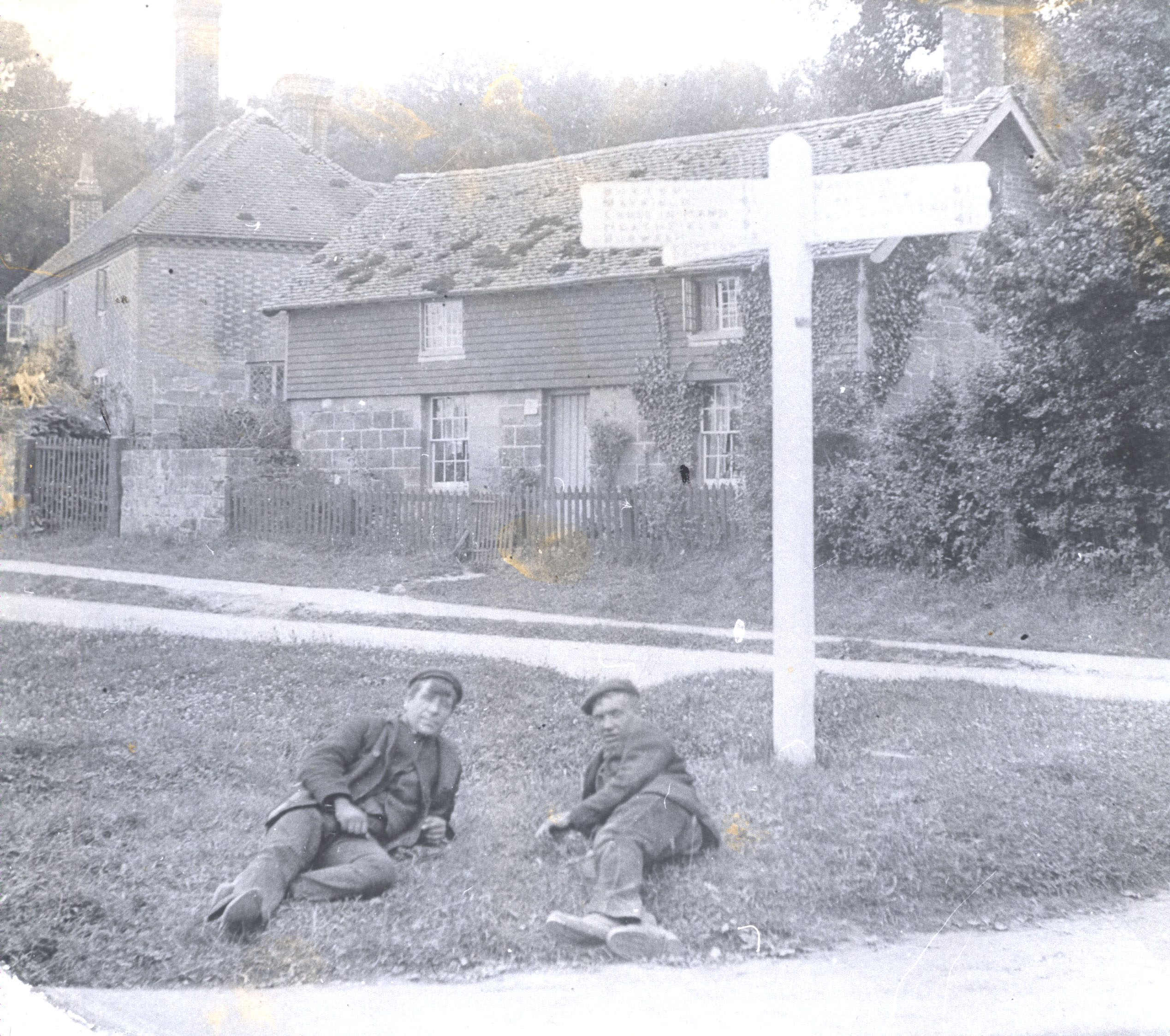
Blackhouse Farm and Budlett’s Corner Sussex has four moated buildings, Herstmonceux Castle, Bodiam Castle, Michelham Priory and the lesser known Plumpton Place. Some two hundred years ago it was traditionally thought that there had in the past been a moated house on farmland at Blackhouse Farm, Budletts Common. The vanished house could perhaps have been…
-
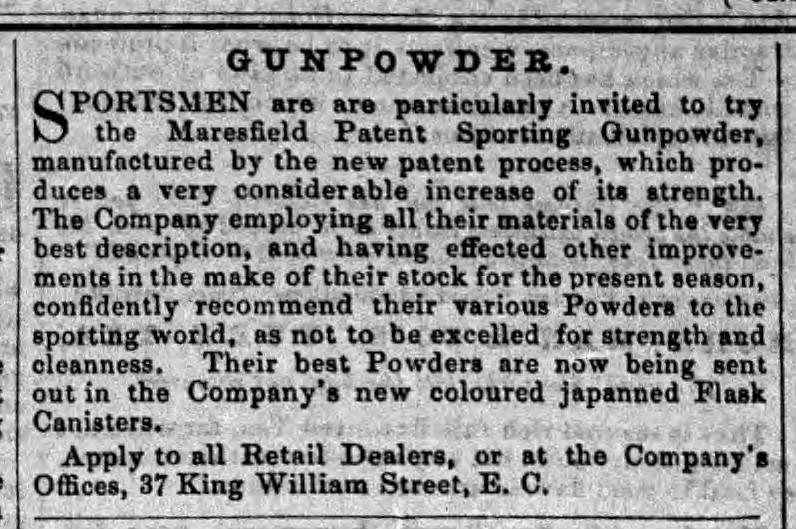
The Powder Mills were erected on the site of one of Maresfield’s larger ironworks – The Forge, about 1830. The company of Drayon and Hervey was formed and gunpowder production commenced. Year Key events 1543 First English cannon cast at Buxted by Ralph Hogge, who also owned Marshalls Manor at that time 1608 James 1…
-
One of the larger houses south of the church is ‘Park House’. It is not known when the residence was built but the Parish Registers record it as the Rootes’ family home from about 1585 to 1720. It was apparently a small well-wooded estate when purchased by Sir John Villiers Shelley about 1850 to form…
-
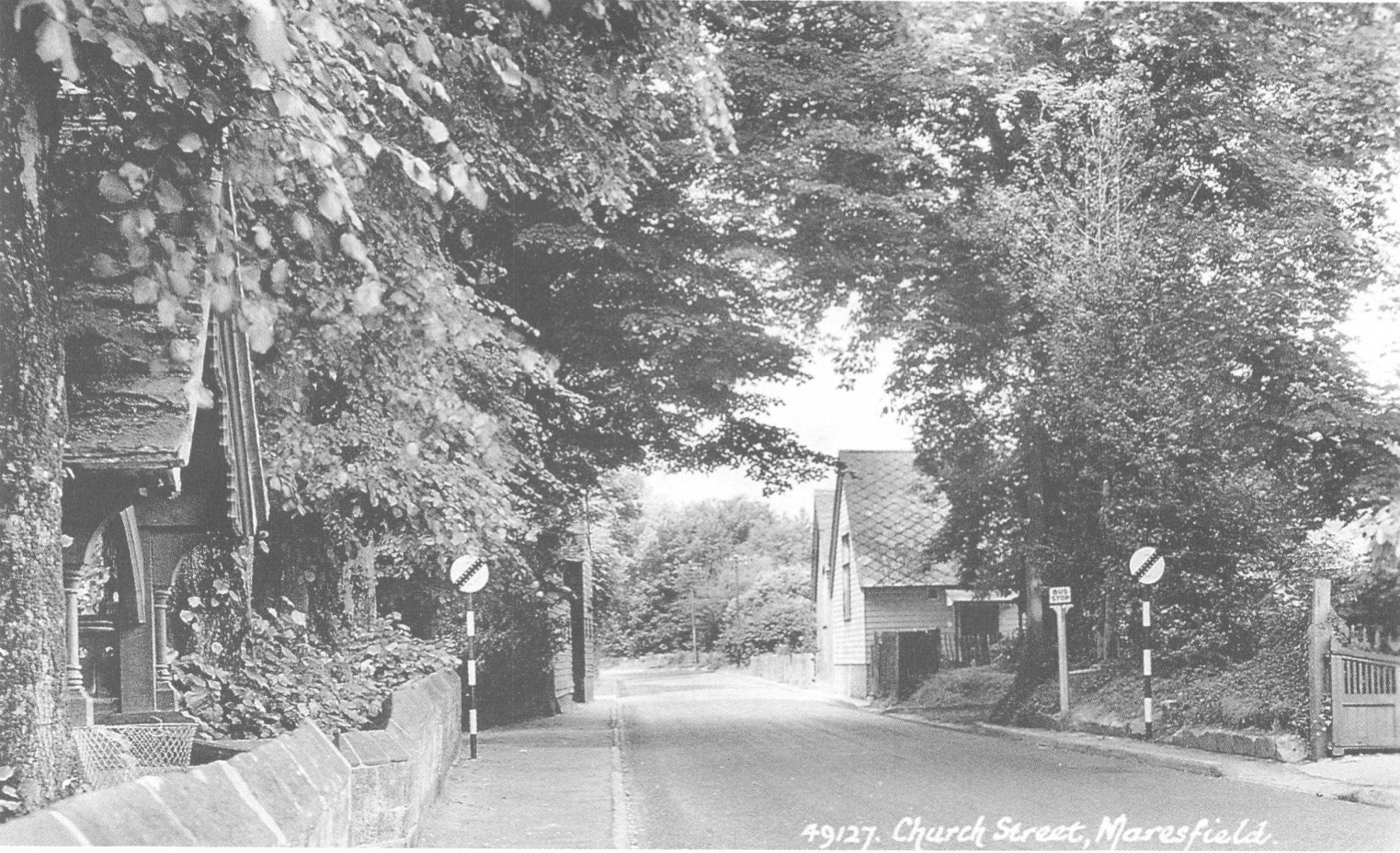
The site of the Village Hall (originally called the Maresfield Reading Room) was once a slaughter house. It is not known when the Maresfield Reading Room was first built as records are only available from 10th January, 1924 when a meeting was called to decide what should be done with the money (£209-6-8d) raised by…