
Author: Jeremy Hendy
-
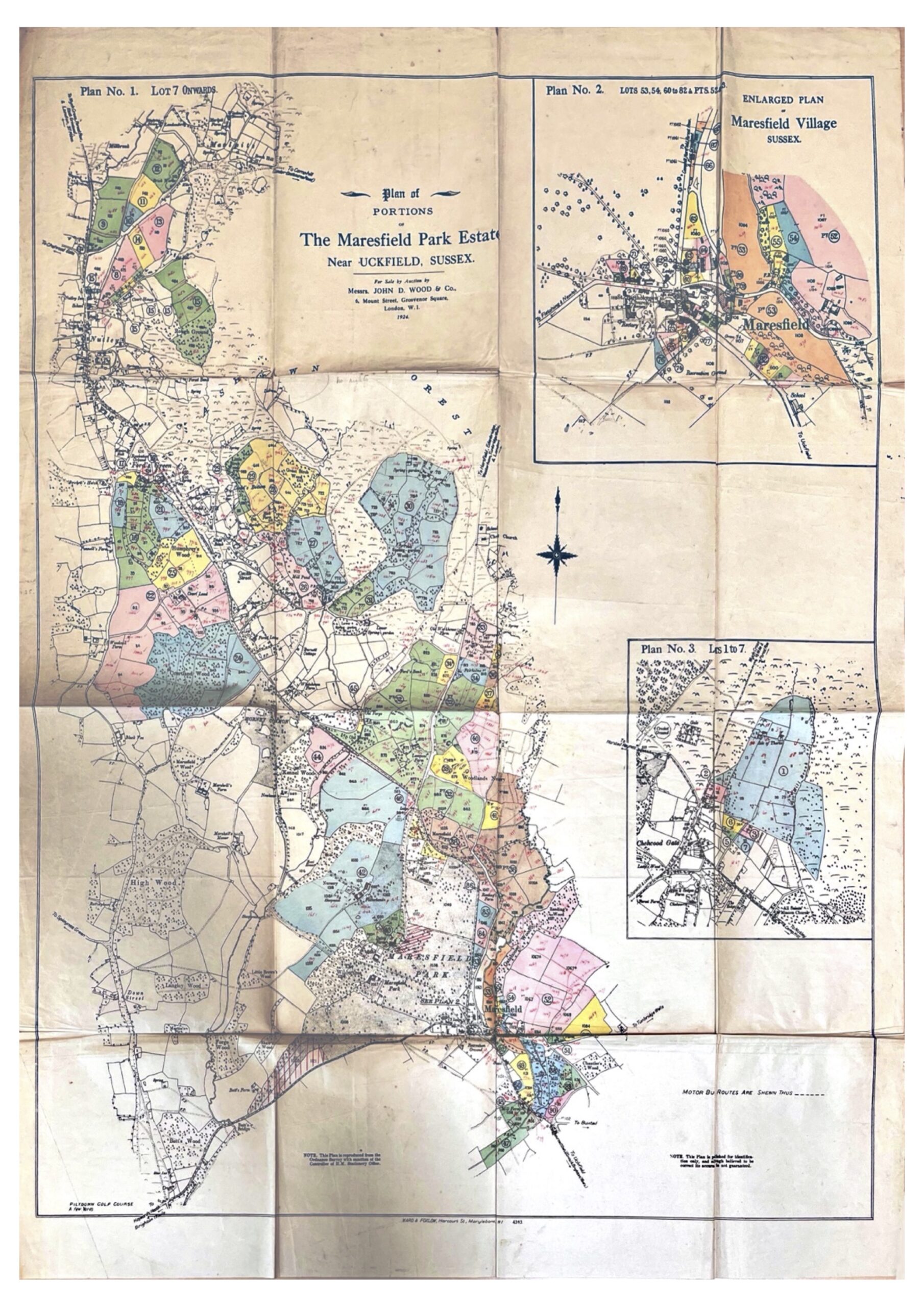
After the end of WW1, the UK government sold off the Maresfield Park estate which had been confiscated from Prince Münster. On 18th September 1924, the Public Trustee sold the 2,643 acres of the Maresfield Park estate to William Abbey of Uckfield House for £61,714 (£3.4M in 2026). Just one week later, on 25th September…
-
An interesting 1994 article by Barbara Abbs, published in Sussex Archaeological Collections, traces the remarkable history of Woodlands Nursery at Maresfield in East Sussex, from its foundation in 1826 to its closure in 1922. The Founder – William Wood William Wood was born in 1781, the son of a Horsted Keynes butcher. After leaving home…
-
One of the more unusual early postcards of Maresfield features an airship flying over Underhill. Your first thought could be “Zeppelin” – was this one of Prince Münster’s chums, paying him a flying visit from Germany? However, closer examination of the airship design shows that it’s not a Zeppelin – the distinctive tailfin pattern identifies…
-
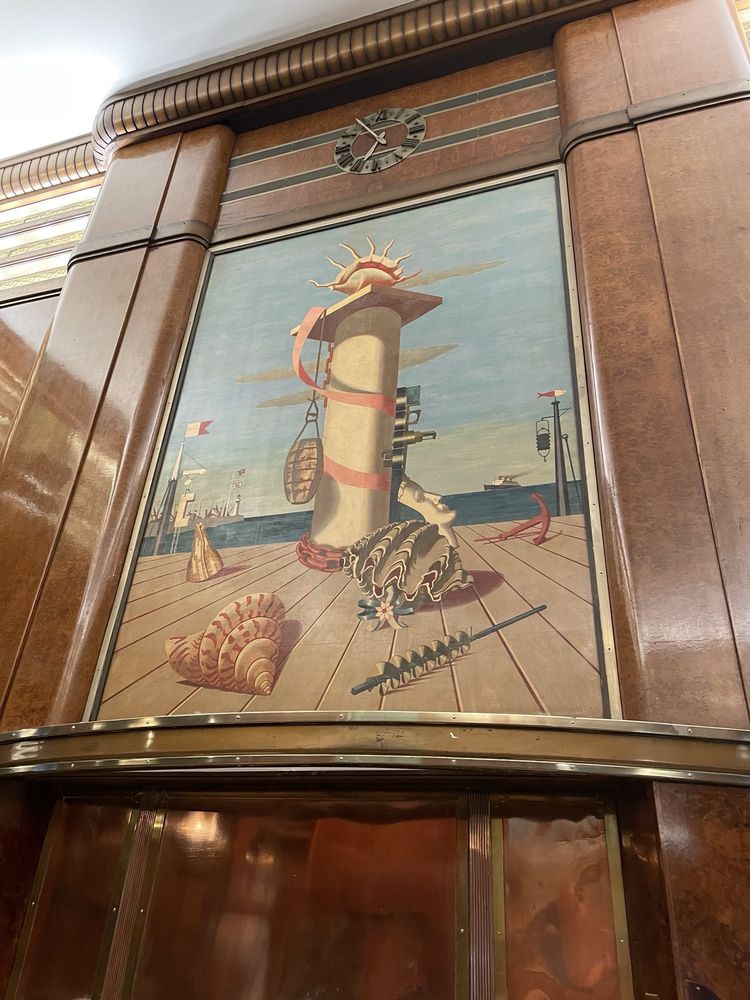
Edward Wadsworth, RA was born in Cleckheaton, West Riding of Yorkshire in 1889 and rejected a career in the family’s mill in favour of becoming a painter. He won a scholarship to the Slade where he was a friend and contemporary of Mark Gertler. He married Fanny Mary Eveleigh, a professional violinist 11 years his…
-
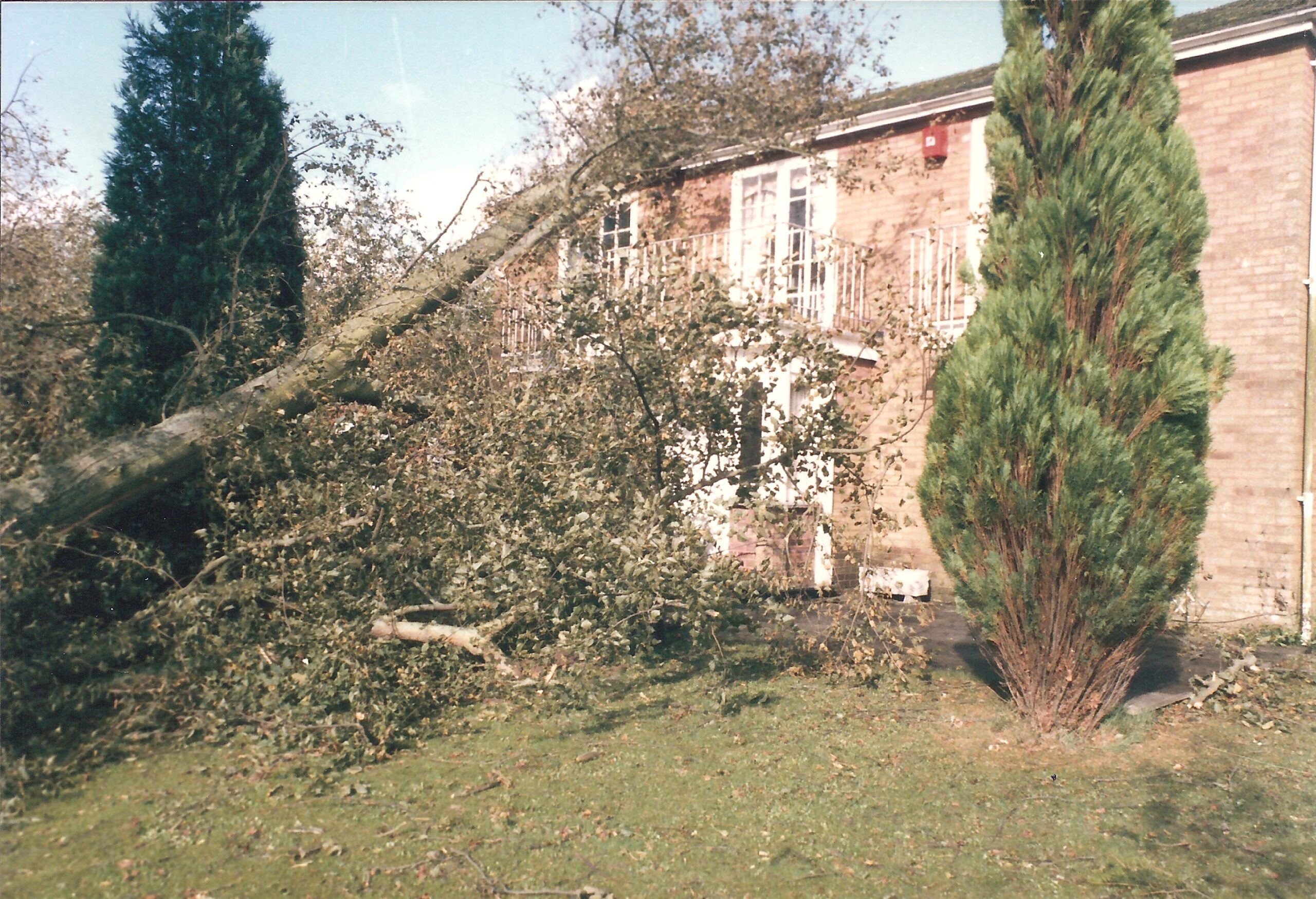
Along with much of southern England, the great storm on the night of 15th October 1987 lead to significant damage and many trees being lost. Photographs of the Drive in Maresfield Park show many large trees down. Do you have more photos or memories of the 1987 storm? Let us know at mailto:history@maresfield.org
-
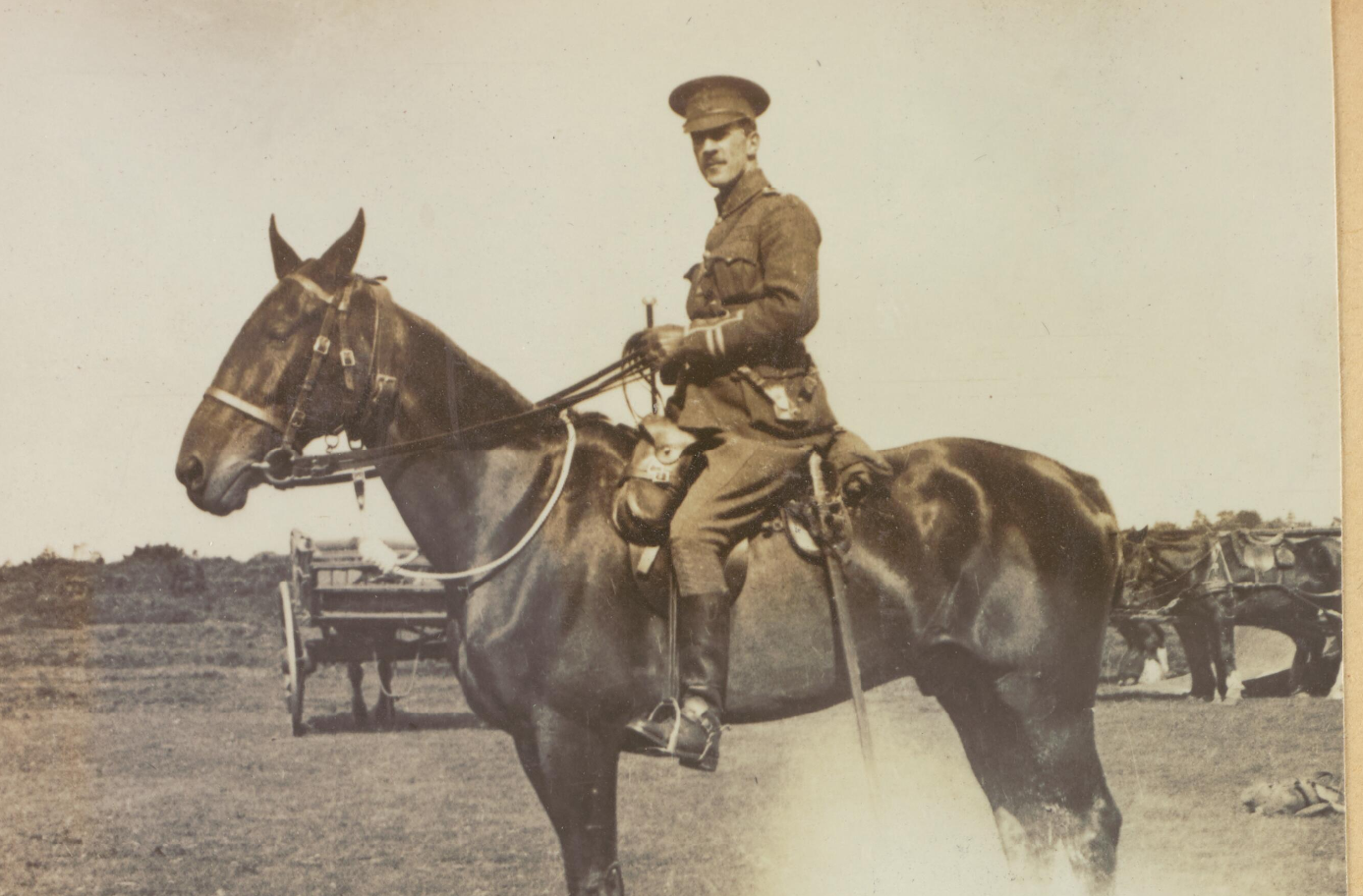
Sir (Harold Arthur) Thomas Fairbanks was an Orthopaedic Surgeon, and a Captain with the Royal Army Medical Corps in World War 1. In 1914, he was with the 85th Field Ambulance of the Royal Army Medical Corps, who were stationed at Maresfield Park, before heading to Flanders and the horrors of Ypres. His photograph albums…
-
Villagers were encouraged to make the troops feel ‘at home’ in both World Wars. The picture above shows the Hollobon family entertaining three soldiers at their home at Five Ash Down about 1917. Mr Francis Hollobon is wearing his Local Defence Volunteers uniform. Young Frank Hollobon (front left) is sporting the cap of the soldier…
-
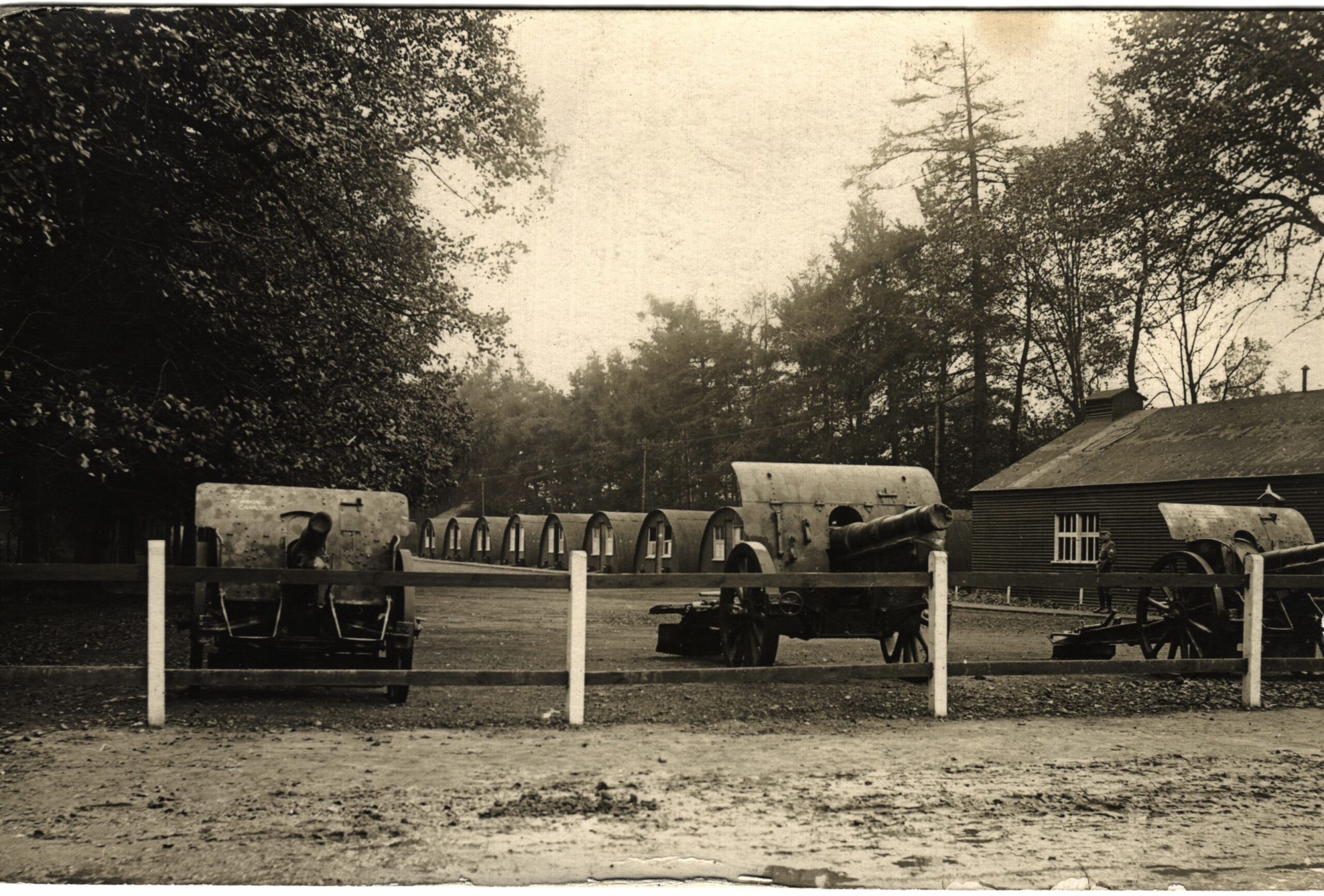
The UK Government confiscated Maresfield Park Estate from the German born owner, Prince Münster at the outbreak of the Great War in 1914 and it was turned into an army camp. Nissen huts were erected on the open land. The guardroom was just to the right inside the archway at The Lodge, and sentries paraded…
-
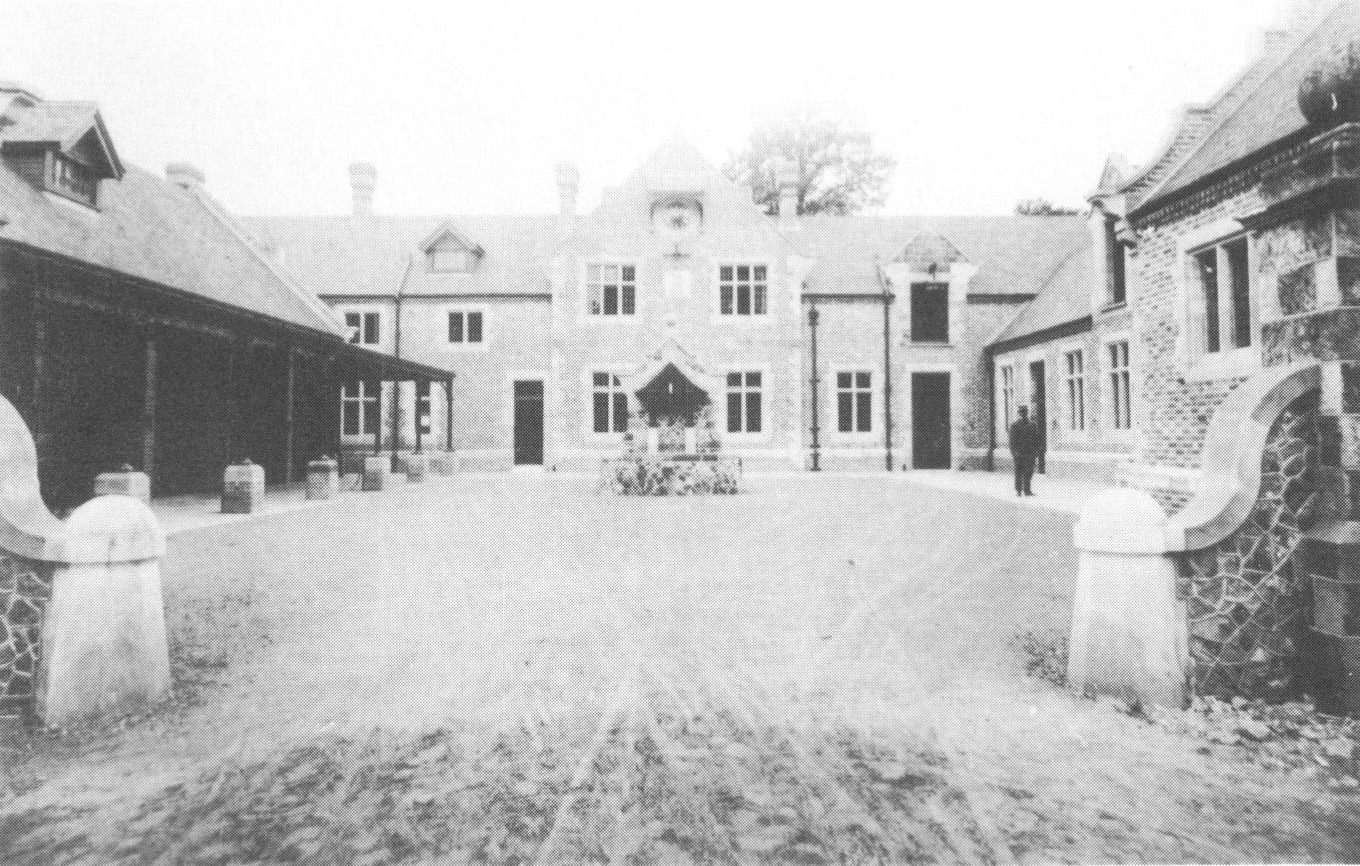
Prince Münster built a large stable block in 1900-1901, which is now divided into three properties – Southern Cottage, The Coach House, and North Cottage.
-
Maresfield Park evolved during the 18th century and belonged to John Newnham who lived at ‘Strethouse’ opposite the church (site of the present Lodge, and church car park). As there was little room for expansion there, he chose to build himself a mansion at the point where the tracks crossed in Maresfield Park and called…