
Author: Jeremy Hendy
-
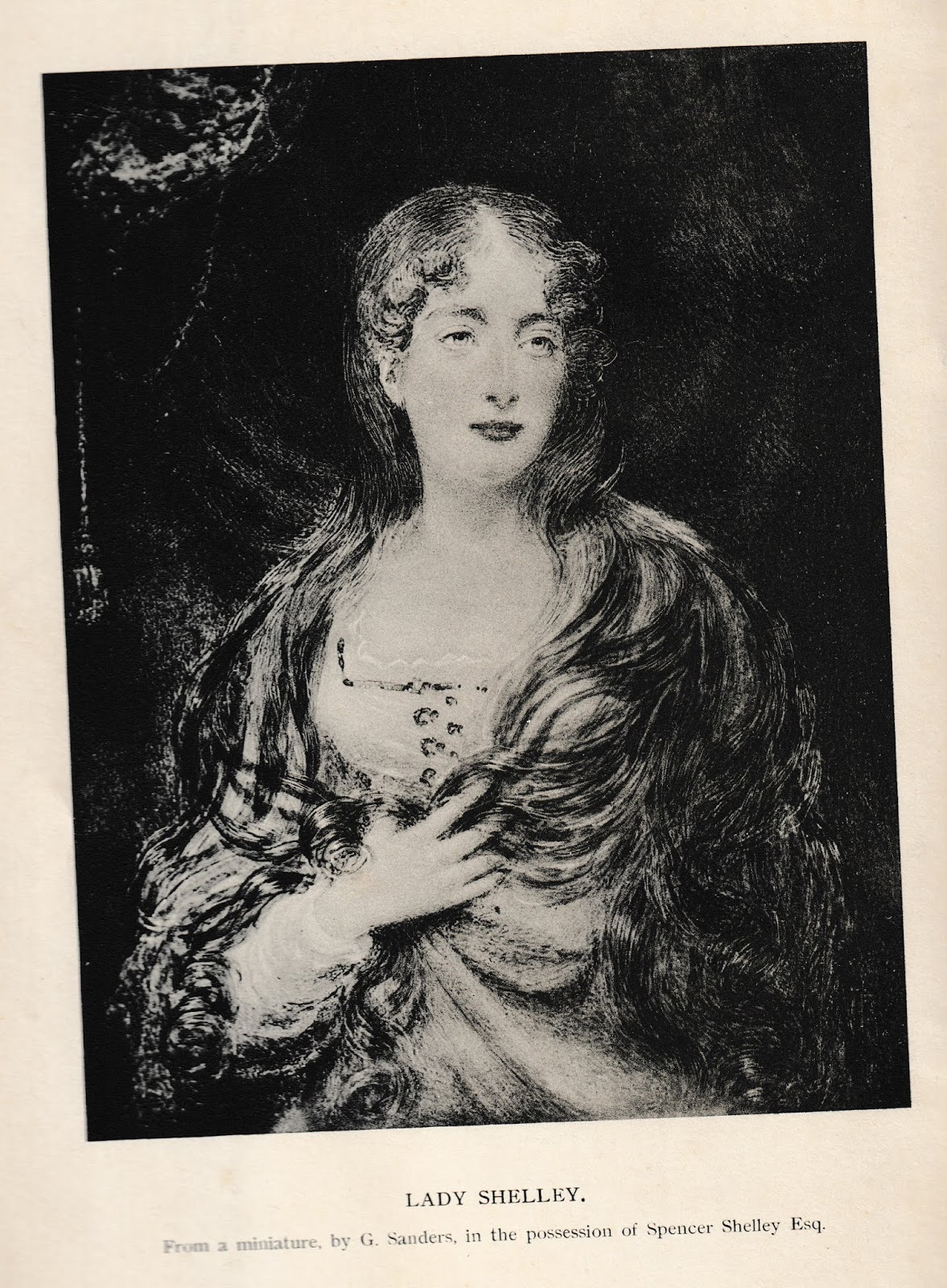
Born at Preston, Lancashire, in 1787, Frances Winckley was the only daughter of Thomas Winckley, a prosperous Preston attorney and descendant of the de Winkelmondeleys who in Saxon times had settled in a corner between the Ribble and Calder rivers. Industry had not begun and Preston was mainly an agricultural town of broad streets and…
-

In the centre of the village is the Victorian gargoyle lodge with an archway diagonally set in the angle between the two roads. The Lodge (also known as “Lodge Gates”) has featured in dozens of photographs and postcards of Maresfield over the years. This lodge was built about 1847 by Sir John Villiers Shelley and…
-
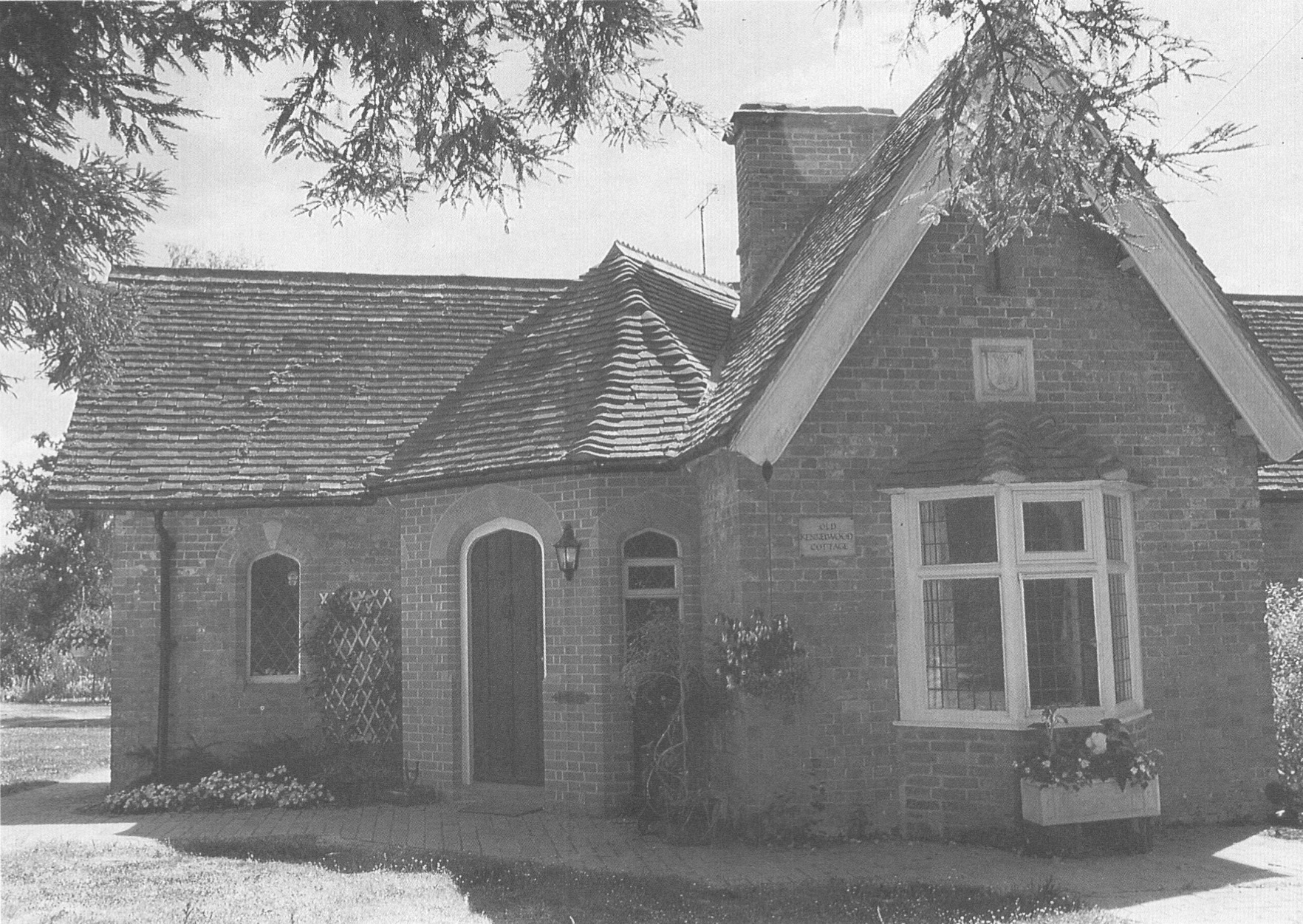
The crest of John Villers Shelley appears on many buildings in the parish including Woodlands Farm, ‘Shelley Villas’ and ‘Old Kennelwood Cottage’ (pictured). The estate dogs and their keepers lived at the Horney Common end of the Park, and the farm now known as ‘Marshalls Farm’ was shown as ‘The Kennels’ on the 1897 25-inch…
-
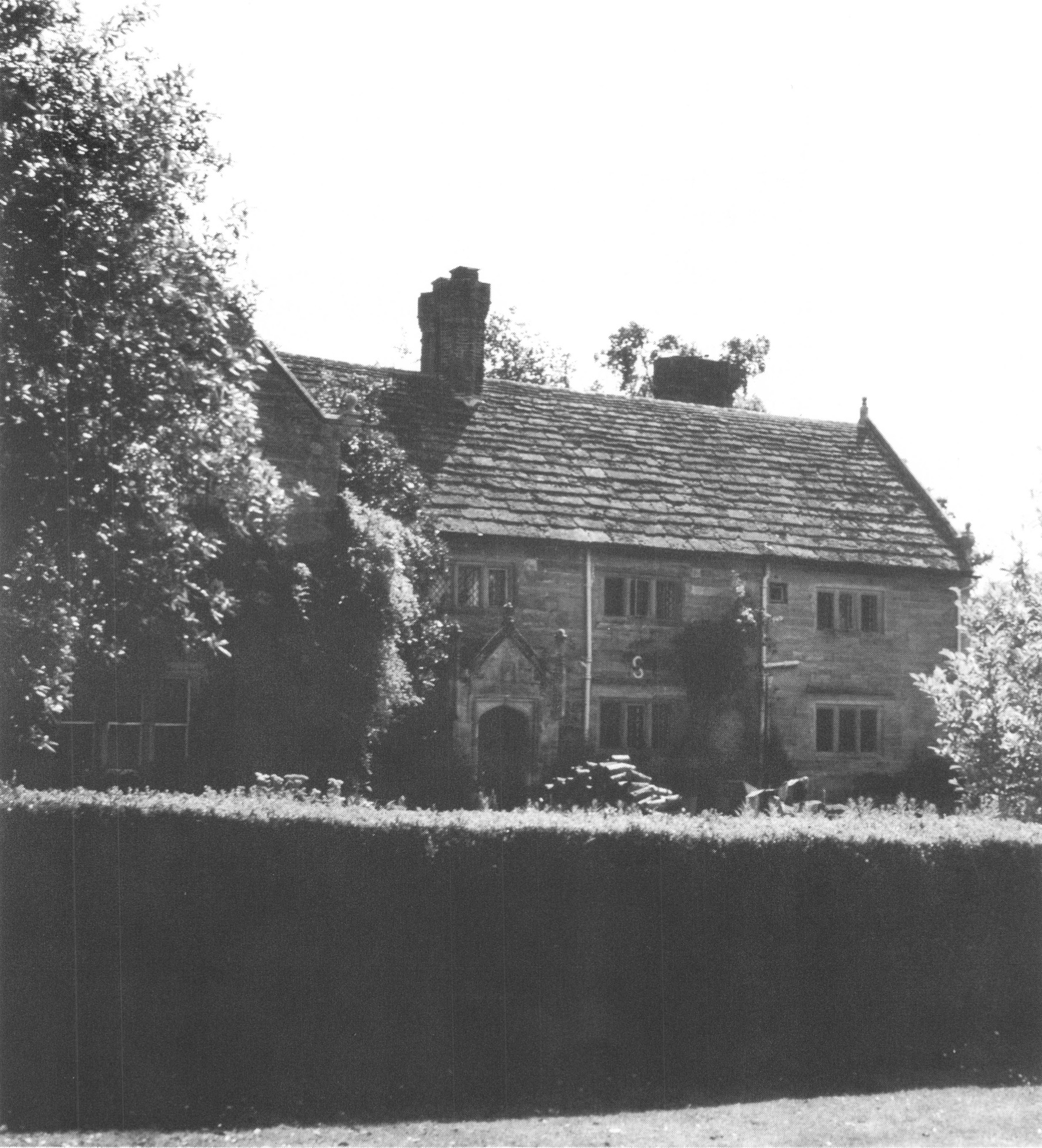
A legacy of the Sussex Iron Industry, this splendid house in Horney Common was an Iron Master’s home and one time residence of Sir Winston Churchill’s physician, Lord Moran. Between the wars, an American lady lived there with her English husband. According to Mrs Mary Morrison of Franklands Village, her Mother used to help out…
-
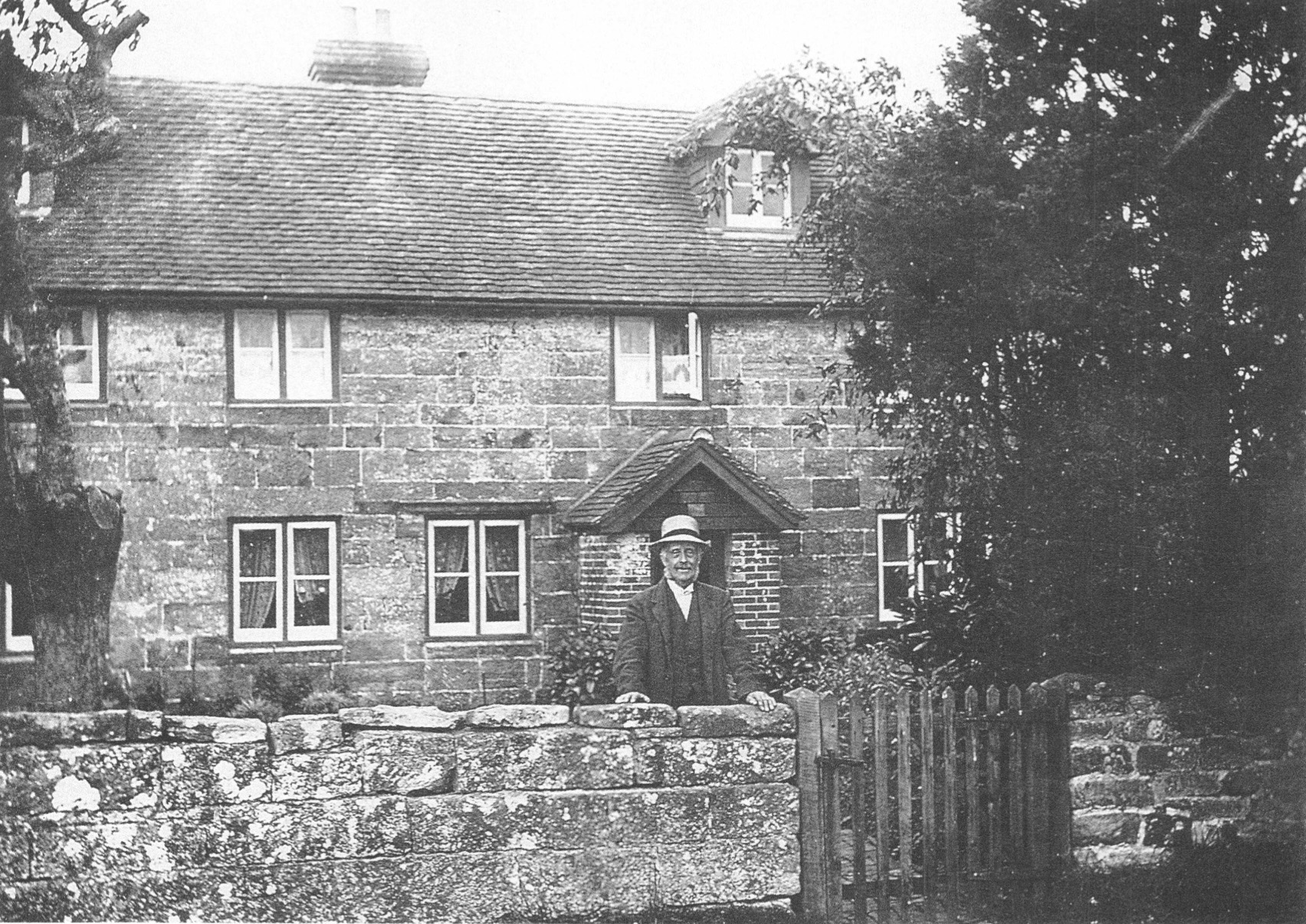
Paddock Farm on the Tunbridge Wells road near Fairwarp Crossroads (on the left, just after the turning to Old Forge Lane) was the old parish workhouse. The property was a stone-faced building with 17 rooms, some with bars to the windows. There were old ships’ beams in the kitchen. The old Roman road ran through…
-
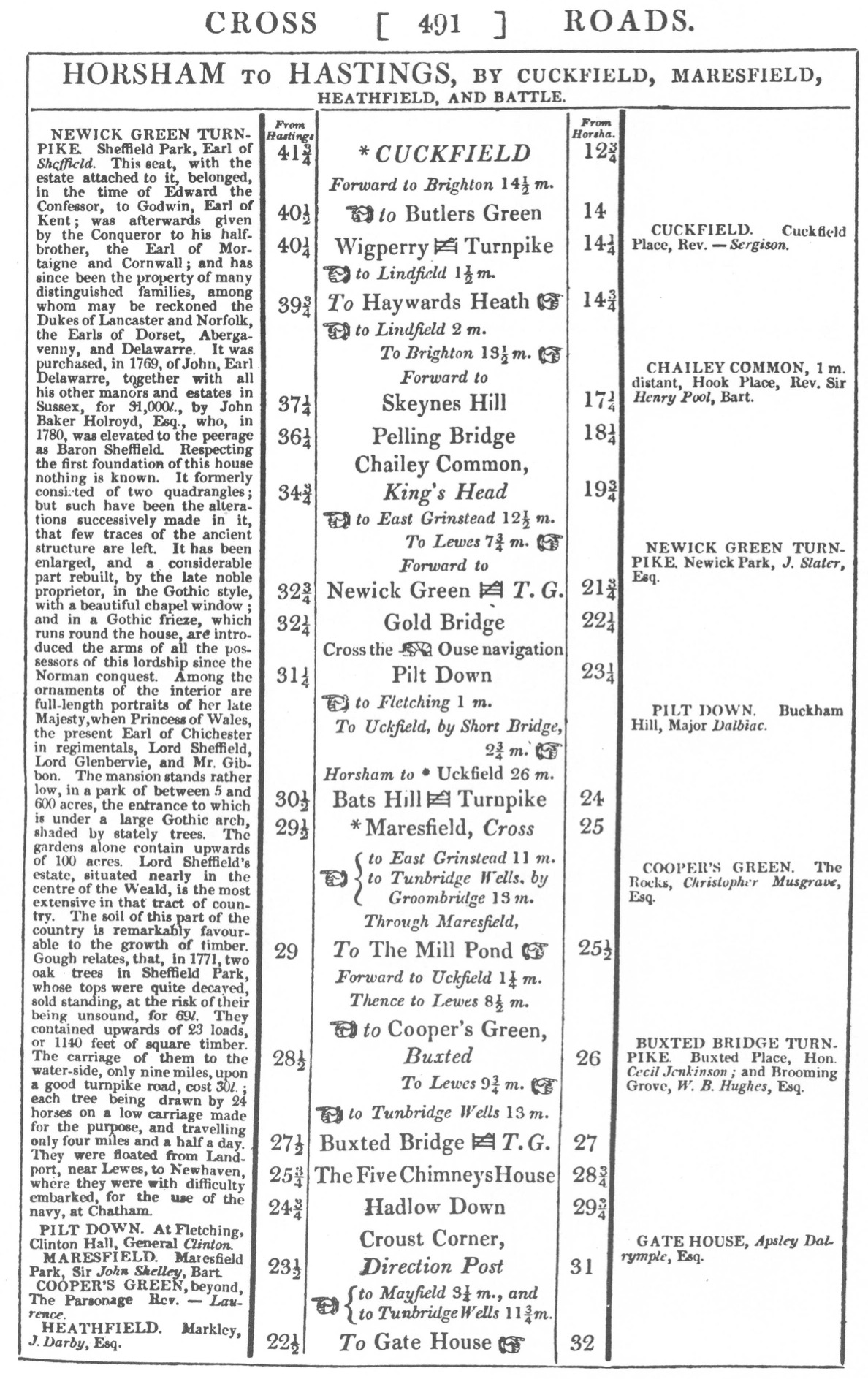
The page from the seventeenth edition of “Patersons Roads” of April, 1824 by Edward Mogg shows there was a turnpike at Batts Hill. Tollgates shut in the village and money or tolls were charged for opening them to allow the traffic to pass. The money collected was used for road repairs. The toll keepers often…
-
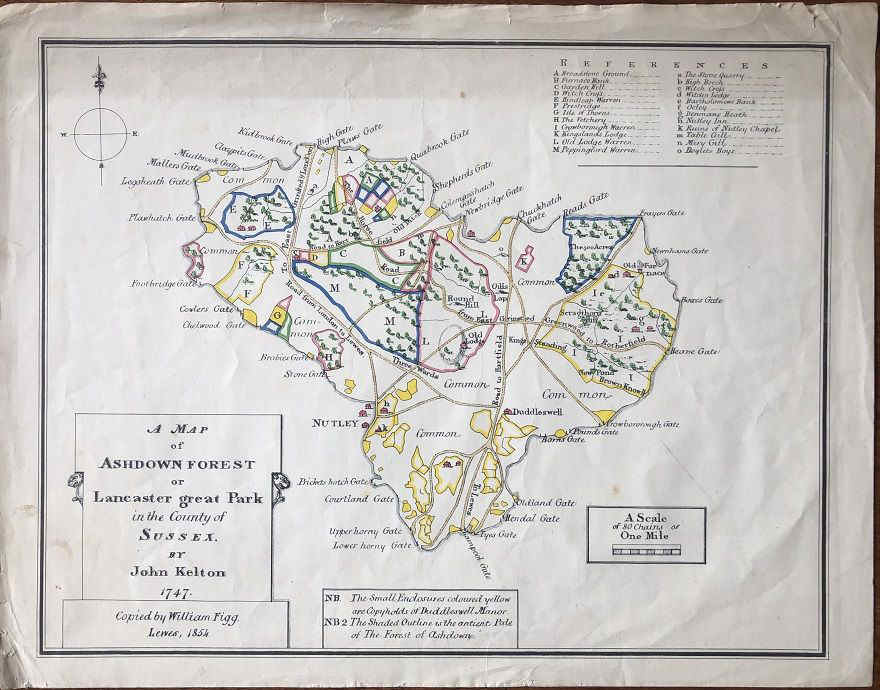
In Saxon times, areas of Kent, Sussex, Surrey and Hampshire formed The Forest of Anderida or Forest of Pevensey. Ashdown Forest was part of this great wild area. About 14,000 acres between Tunbridge Wells and East Grinstead were given by King Edward III to his third son, John of Gaunt, Duke of Lancaster under the…
-
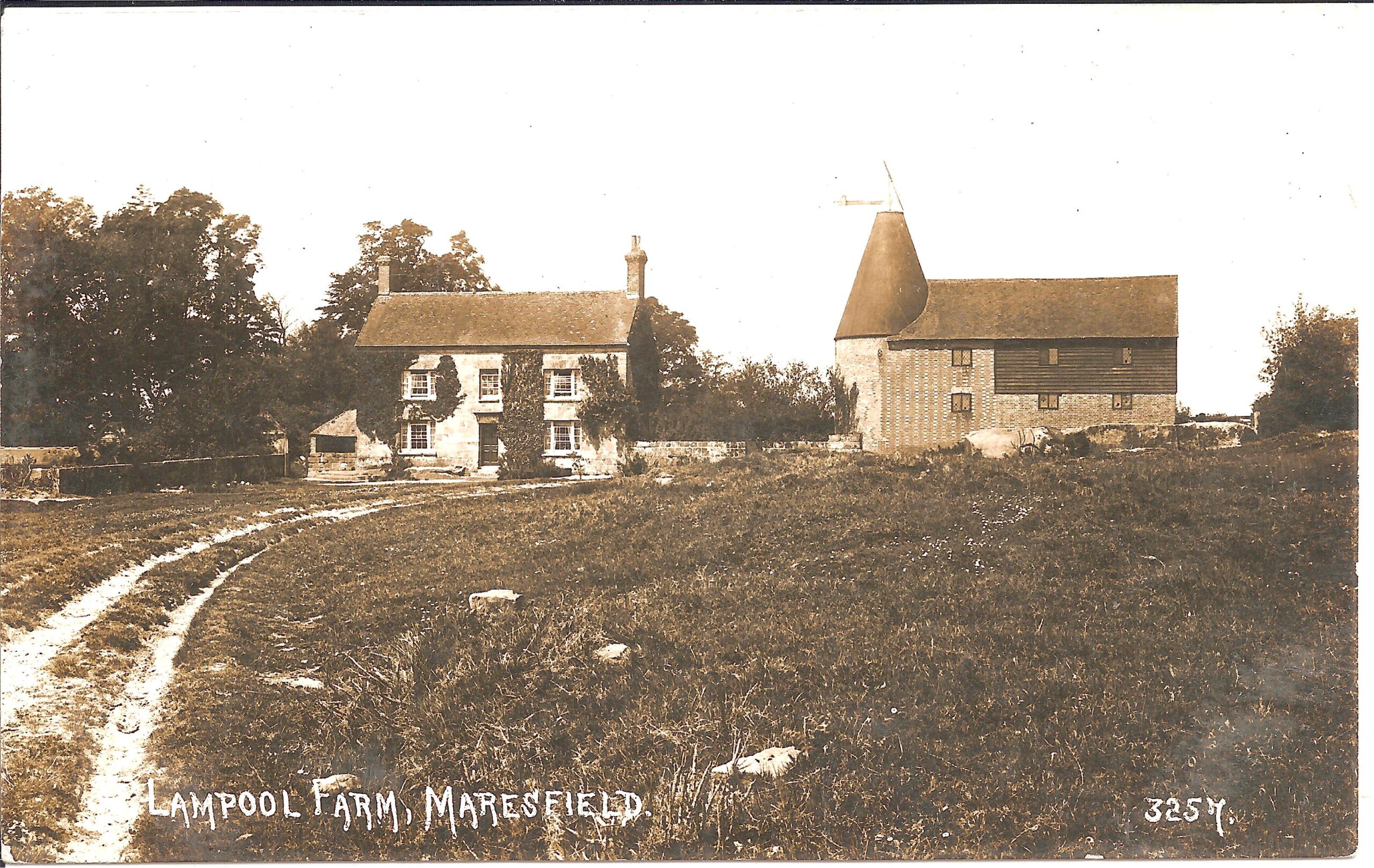
The three varying names reflect the geographical position of the property. It is certainly one of the older houses in the parish and as early as 1332 on the Subsidy Roll ‘Simon at Hole’ is listed as a landowner at Maresfield and in 1570 the name John Kydder appears. On the first page of the…